

Telecom Expertise Built for What’s Next
Networks are evolving quickly, creating new demands across wireless, fiber, broadband and connectivity infrastructure. We provide specialized engineering, technical, project and field expertise to help clients plan, deploy, optimize and operate critical communications networks.
Expertise across the telecom lifecycle
Our telecom capabilities span network planning, engineering, deployment and optimization, bringing together specialized expertise across wireless and satellite, fiber and broadband, wireline networks, enterprise connectivity, and testing and regulatory support.
Wireless & satellite
Specialized expertise to plan, deploy and optimize next-generation wireless and satellite networks.
RAN & 5G: Support network design, integration, commissioning and optimization across evolving RAN environments.
In-Building & Small Cell: Support DAS, small cell and other connectivity programs that extend coverage and capacity.
Private Networks: Technical expertise to plan and deploy dedicated wireless networks for enterprise and mission-critical environments.
Satellite & D2D: Support emerging LEO satellite and direct-to-device network programs.
Testing & Optimization: PIM testing, benchmarking and network optimization to improve performance and reliability.
Fiber & broadband
Specialized engineering and field expertise to plan, design, and deliver fiber and broadband infrastructure.
OSP & Fiber Engineering: Support network planning, design, and engineering across fiber infrastructure programs.
Rural Broadband: Expertise to support broadband expansion and connectivity programs in underserved communities.
Fixed Wireless Access: Engineering and deployment support for FWA network programs.
GIS & Mapping: Support network mapping, documentation, and infrastructure planning.
Pole Licensing & Make-Ready: Technical expertise to help prepare infrastructure for network deployment.
Wireline networks
Specialized expertise to modernize, optimize and manage complex wireline network infrastructure.
Core & Transport Networks: Support IP/MPLS, optical, Carrier Ethernet, backhaul and backbone infrastructure.
Service Delivery & Assurance: Technical expertise to support network performance and service operations.
Central Office: Engineering and infrastructure support across Central Office environments.
Network Optimization: Support capacity planning, circuit engineering, records cleanup and infrastructure efficiency.
Legacy Modernization: Help consolidate legacy equipment, streamline infrastructure and support network decommissioning.
Enterprise connectivity
Specialized expertise to design, deploy and optimize the networks connecting people, devices, systems and facilities.
LAN & WAN: Support reliable, scalable enterprise network infrastructure.
IoT: Connect devices, systems and data across increasingly connected environments.
Smart Buildings: Support the connectivity infrastructure behind intelligent buildings and facilities.
Smart Infrastructure: Technical expertise to enable connected infrastructure across complex environments.
Flexible delivery for telecom programs.
Telecom programs rarely take the same shape twice. A national 5G rollout, a fiber build running against a funding deadline, and a single senior RF engineer are three different problems with three different answers. Kelly engages in whatever way fits the work, and shifts as the program changes. The specialized talent is the hard part; how you contract for it should not be.
Speak with a Kelly Digital Infrastructure expert.
Tell us what you're building, and we'll bring the workforce to deliver it.

Expertise in practice.
See how organizations across data centers, telecom, and AI infrastructure have addressed critical workforce and project challenges. These case studies are hosted on Kelly Telecom, the team behind Kelly Digital Infrastructure.

Powering Data Center Growth. A Strategic Partnership with a Global Power Solutions Leader
Learn more (opens in new tab)
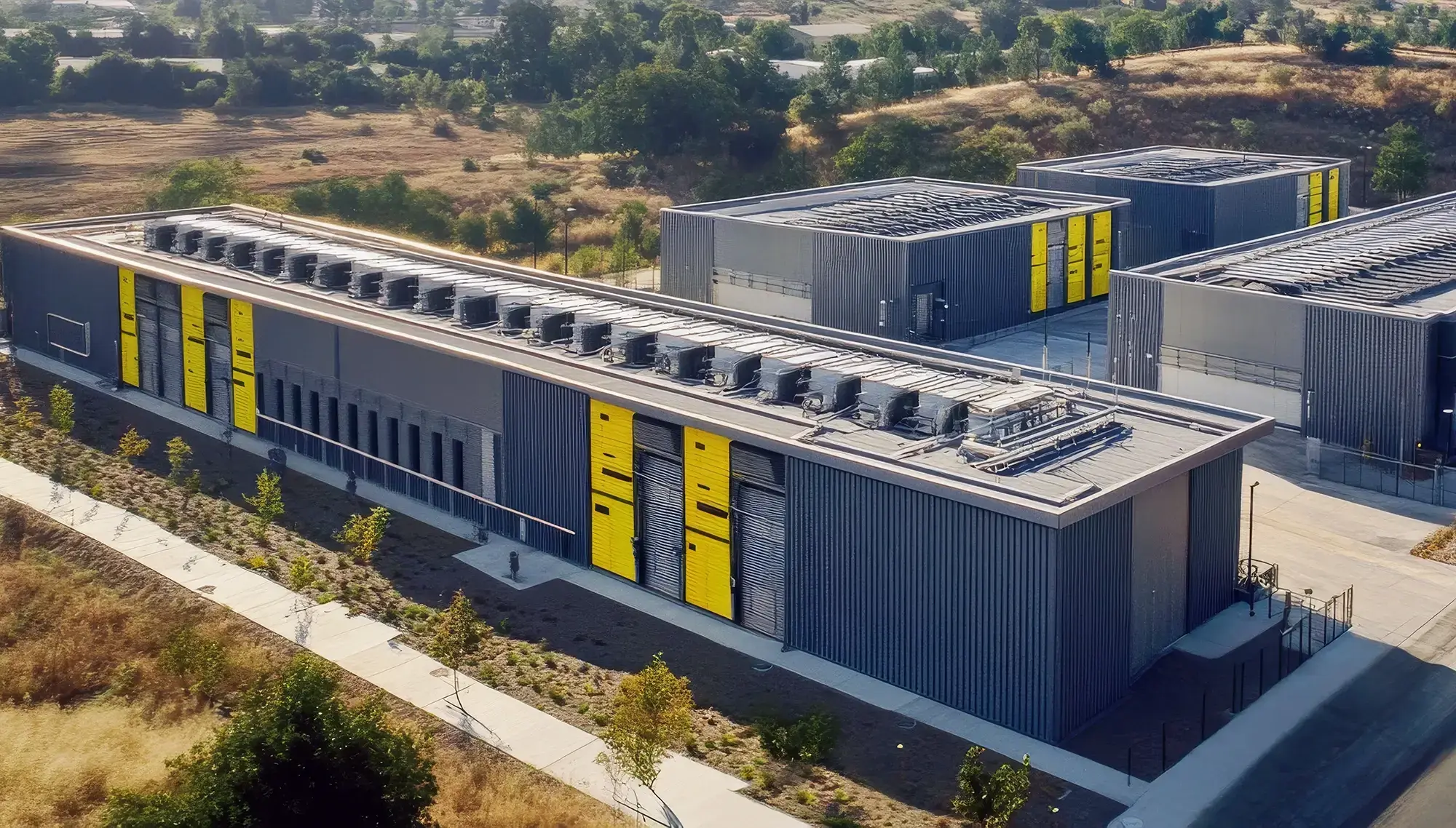
Scalable Staffing Solutions for Data Center Construction in Emerging Markets
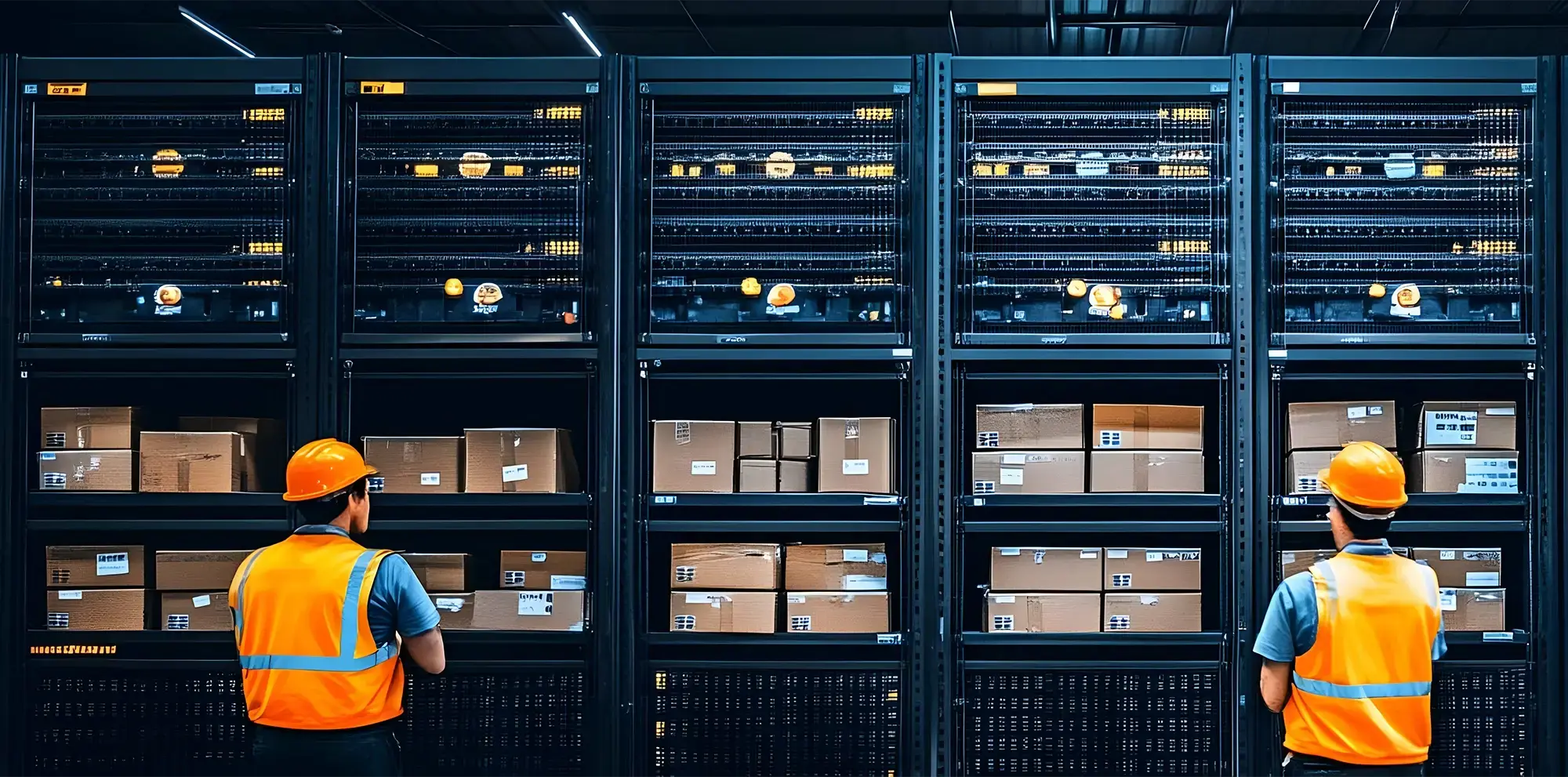
Learn more (opens in new tab)Semiconductor Leader – Inventory & Platform Support for Data Center Expansion
Learn more (opens in new tab)

Scaling Workforce Operations for a High Performance AI Hardware Manufacturer
Learn more (opens in new tab)

Global Industrial OEM, Specialized Staffing Across Product Lifecycle
Learn more (opens in new tab)

Supporting Mission-Critical Cooling Systems Across the U.S.
Learn more (opens in new tab)Frequently asked questions.
What is Open RAN, and why does it change how networks get deployed?
Open RAN is a set of specifications that break the radio access network into interoperable parts, so an operator can source radios, distributed units and centralised units from different vendors instead of buying a single vendor's stack end to end. The functions are split across a standard interface, which means the radio hardware and the software controlling it no longer have to come from the same supplier. For deployment that changes the work itself: integration and interoperability testing become a real workstream rather than a vendor formality, and programmes need engineers who can validate multi-vendor configurations in the lab and in the field. It is the reason Open RAN rollouts tend to need more integration and test capability than like-for-like swaps.
What is the BEAD program, and who can deliver BEAD-funded builds?
BEAD - Broadband Equity, Access, and Deployment - is a $42.45 billion federal grant programme funded through the Infrastructure Investment and Jobs Act and administered by the NTIA, allocating money to states and territories to extend high-speed internet to unserved and underserved locations. States run their own subgrant processes, so the delivery organisations are typically ISPs, electric co-ops, municipal networks and their engineering and construction partners rather than the NTIA directly. Funded builds have to meet a service threshold of at least 100 Mbps download and 20 Mbps upload. Because awards land state by state and then move quickly into construction, the practical constraint is rarely the money - it is fielding OSP engineers, splicers and inspection crews in the award state inside the delivery window.
What is fixed wireless access, and where does it fit against fiber?
Fixed wireless access delivers broadband to a fixed location over a radio link rather than a physical cable, using licensed or unlicensed spectrum between a base station and an antenna at the premises. It is normally chosen where fiber is uneconomic or too slow to deploy - low-density rural routes, difficult terrain, long drops to single premises - and where a service can be turned up in days rather than after a trenching programme. In practice most large builds use both: fiber for the backbone and for dense routes, fixed wireless to reach the tail of premises that would otherwise sink the economics. That mix is explicitly allowed under federal broadband funding, so it shows up regularly inside BEAD-funded designs.
What is the difference between wireline and wireless network engineering?
They are different disciplines working on different halves of the same network. Wireless engineering covers the radio access layer - site design, RF planning, antenna and radio installation, small cells, DAS and in-building systems, and the optimisation that follows a rollout. Wireline engineering covers everything the radios connect back into: backhaul and transport, IP/MPLS core, optical transmission, carrier ethernet services, plus the circuit grooming and legacy consolidation work that comes with retiring older platforms. A single deployment programme usually needs both, and the handover between them - getting backhaul in place before radios go live - is one of the more common places a schedule slips.
Can Kelly support private 5G, DAS and in-building wireless?
Yes - private networks, distributed antenna systems and in-building wireless sit inside the enterprise connectivity side of the practice. A private 5G or LTE network is a cellular network built for a single organisation on its own site, using licensed, shared or unlicensed spectrum, and it is typically chosen where Wi-Fi cannot deliver the coverage, device density or reliability an operation needs - ports, plants, campuses, mines, large venues. DAS and in-building systems solve the related problem of getting public carrier coverage deep inside a structure. Both need people who can work across the RF, IT and facilities boundary, which is the usual reason these projects stall.
How does Kelly support a telecom deployment programme?
Kelly supplies the engineering and field workforce behind network programmes, and can do it as contract resource, as a managed scope of work, or as permanent hires, depending on how the programme is structured. That covers RF and OSP engineers, splicers, tower and site crews, integration and test engineers, NOC and transport engineers, and the project and programme managers who run them. Requirements in this sector are geographically concentrated and time-boxed - an award or a market launch creates demand in one state for a defined window - so the practical question is usually whether people can be fielded where and when the schedule needs them.