The trusted workforce partner behind the digital economy.
Specialist workforce, engineering, and project solutions supporting every stage of modern digital infrastructure.
One workforce partner across the digital infrastructure lifecycle.
Kelly Digital Infrastructure™ helps organizations build, modernize, and operate the critical infrastructure that powers today's digital economy. Backed by more than 20 years of experience, we combine specialized workforce expertise with the scale of Kelly to deliver talent and workforce solutions across data centers, telecommunications, AI infrastructure, and mission critical operations.
Data Centers
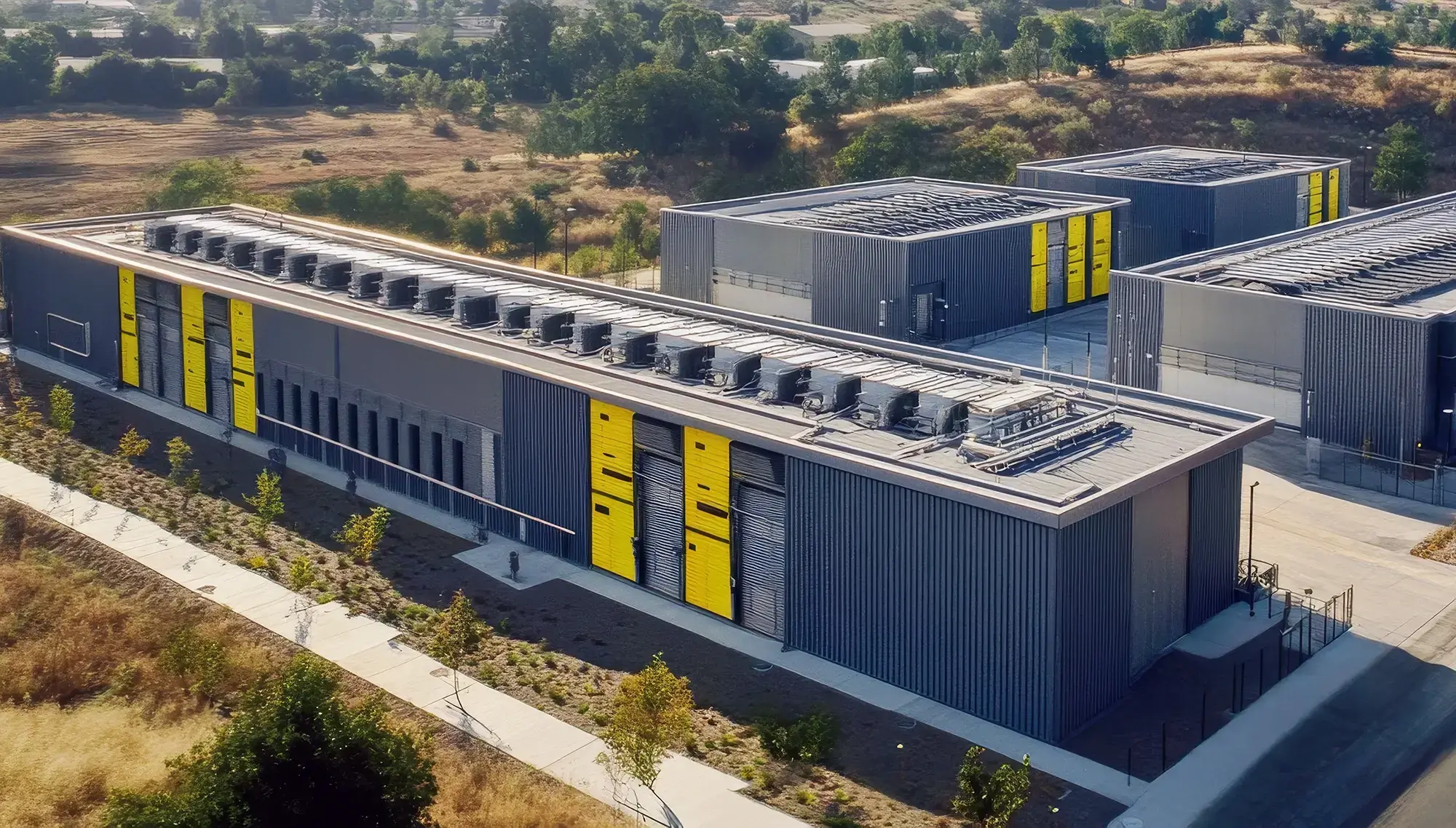
Workforce and project solutions supporting planning, design, construction, commissioning, operations, modernization, and decommissioning across hyperscale, colocation, enterprise, and edge data centers.
Telecom
Design, build, optimize, modernize, and maintain wired and wireless networks through the specialized workforce solutions, engineering expertise, and project delivery where Kelly Digital Infrastructure (KDI) excels.
AI & Automation
Support AI infrastructure through specialized talent in data, cybersecurity, automation, networking, and digital operations that enable next-generation infrastructure.
Delivery models
Land development, facility design and program management across the full build lifecycle — including full turnkey delivery with embedded teams.
KDI workforce accelerator
Traditional staffing models compete for a limited pool of experienced talent, creating delays and risk. KDI's workforce accelerator program changes the game by expanding the available workforce and creating job-ready talent aligned to project needs. Unlike other services that provide nothing but a pipeline of untested and undertrained candidates, KDI's workforce accelerator program sends workers who are ready to contribute on Day 1.
See how data center compensation data stacks up across the United States
Kelly’s 2026 Data Center Salary Guide has pay ranges for over 50 data center roles plus expert insights on the market not found anywhere else.
Flexible workforce solutions built around your business
Every organization faces different workforce challenges. Whether you need specialized talent, turnkey project delivery, or long-term workforce strategy, KDI delivers flexible solutions designed around your business goals, timeline, and scale.
Case Studies
Ryan Subheading text goes here.
Powering Data Center Growth. A Strategic Partnership with a Global Power Solutions Leader
Learn MoreFrequently asked questions.
What makes data center recruiting different from general technology recruiting?
Data center recruiting sits at the intersection of IT, construction, electrical engineering, and mechanical systems. A general tech recruiter can source a software developer or network engineer without understanding uptime requirements or physical infrastructure. Data center recruiting requires fluency in critical facility operations: redundancy tiers, cooling systems, power distribution, and the certifications tied to each. Candidates also move through a build-to-operate lifecycle that spans design and construction, commissioning, and long-term facility management, and each phase calls for different skill sets. A recruiter who only understands traditional IT staffing will miss the electrical, mechanical, and controls talent that keeps a facility running.
What roles does Kelly Digital Infrastructure typically place?
Roles generally fall into a few categories. On the critical facilities side: data center technicians, critical facilities engineers, electrical and mechanical engineers, and commissioning agents. On the operations side: data center managers, NOC technicians, and site reliability engineers. On the network and infrastructure side: network engineers, systems administrators, and cybersecurity specialists. Construction and build-out roles include project managers, MEP (mechanical, electrical, plumbing) engineers, and controls technicians. A full-service recruiting partner places across all these categories rather than specializing in just one, since most data center employers need talent spanning the entire lifecycle at once.
What are your time-to-fill benchmarks?
Individual contributor roles typically fill within 3–6 weeks, mid-level roles within 6–10 weeks, and executive placements within 8–14 weeks.
Why is specialized recruiting needed for data centers?
The talent pool for data centers is genuinely small. Candidates with BICSI Data Center Design Consultant (DCDC) certification, Schneider Electric Data Center University (DCU) training, or hands-on critical facilities experience are in short supply relative to demand, and hyperscale expansion has intensified that scarcity. Second, the cost of a bad hire is higher than in most industries. A technician who doesn't understand redundancy protocols or safety procedures around high-voltage systems can cause outages that cost millions per hour or create serious safety risks. Third, hiring timelines in this space rarely follow a standard 30 to 45 day cycle. Facilities move through distinct phases from land acquisition through operational ramp-up, and staffing needs shift at each stage, so a recruiter needs to understand where a client sits in that timeline to hire ahead of need rather than reactively.
What is your geographic coverage?
Kelly operates across all major U.S. data center markets, with deepest networks in Northern Virginia, Dallas–Fort Worth, Phoenix, Chicago, Atlanta, Silicon Valley, and the Pacific Northwest.
How should we choose a recruiting partner?
Domain expertise: ask whether the recruiter understands the difference between a Tier III and Tier IV facility, or can speak to BICSI and Schneider Electric certifications without prompting. Track record: request placement data specific to data centers, not general IT or engineering placements. Model flexibility: the best partners offer direct placement, contract, and hire-train-deploy options, since workforce needs shift depending on whether a client is building, staffing up, or backfilling a mature operation.