
AI, Data & Automation
Kelly Digital Infrastructure™ helps organizations modernize operations, improve efficiency, and move AI and digital initiatives from concept into production and scalable results.
Kelly Digital Infrastructure delivering results
Improvement in Analytics Query Performance
est. Annual Cloud Savings
Reduction in pipeline incident resolution time
AI solutions
AI in enterprise is moving past the pilot stage, and while many organizations have proven use cases, few have the capacity to run AI programs successfully on their own.
Kelly Digital Infrastructure offers businesses a path toward faster, more consistent AI deployment, monitoring, and governance. We support AI platform architecture and engineering, model lifecycle management, and AI-enabled workflow development that leads to a scalable AI environment that supports company-wide expansion.
Cloud engineering
Cloud costs are rising faster than most organizations can explain, and legacy environments are often unprepared for the scale AI and data workloads demand. Modernization and cost governance are no longer separate problems.
Our cloud architecture and modernization work, paired with cloud-native infrastructure engineering, gives businesses a path toward more efficient, better-governed environments. FinOps programs bring real-time spend visibility and cost control, so engineering decisions stay tied to infrastructure economics as environments scale to support AI and data workloads
Data engineering & analytics
Fragmented, inconsistent data is still the biggest obstacle between organizations and reliable analytics or AI, and manual validation slows down issue resolution while eroding trust in the numbers. Fixing data quality upstream matters more than adding another dashboard downstream.
From enterprise data pipeline engineering to cloud data platform work across environments like Databricks and Snowflake, we help businesses build governed, auditable data environments. Automated quality monitoring catches issues early, giving analytics and AI initiatives a stronger foundation to build on.
Intelligent automation
Manual, fragmented workflows and reactive monitoring keep operations teams chasing issues instead of preventing them. Too many businesses rely solely on institutional knowledge held by a select few, with disconnected systems and slow handoffs only compounding the problem.
Integrating AIOps and predictive fault detection brings visibility to operational monitoring before issues escalate, while workflow orchestration and intelligent exception handling cut down on manual intervention. Agentic automation along with ongoing optimization and managed support helps businesses preserve institutional knowledge and scale it across their operations.
Flexible solutions built around your needs.
Every organization, project and workforce challenge is different. Whether you need specialized talent, a team to deliver defined outcomes or permanent expertise, we offer flexible delivery models that align to your goals, timeline and scope.
Speak with a Kelly Digital Infrastructure expert.
Tell us what you're building, and we'll bring the workforce to deliver it.

Expertise in practice.
See how organizations across data centers, telecom, and AI infrastructure have addressed critical workforce and project challenges. These case studies are hosted on Kelly Telecom, the team behind Kelly Digital Infrastructure.
Powering Data Center Growth. A Strategic Partnership with a Global Power Solutions Leader
Learn more (opens in new tab)
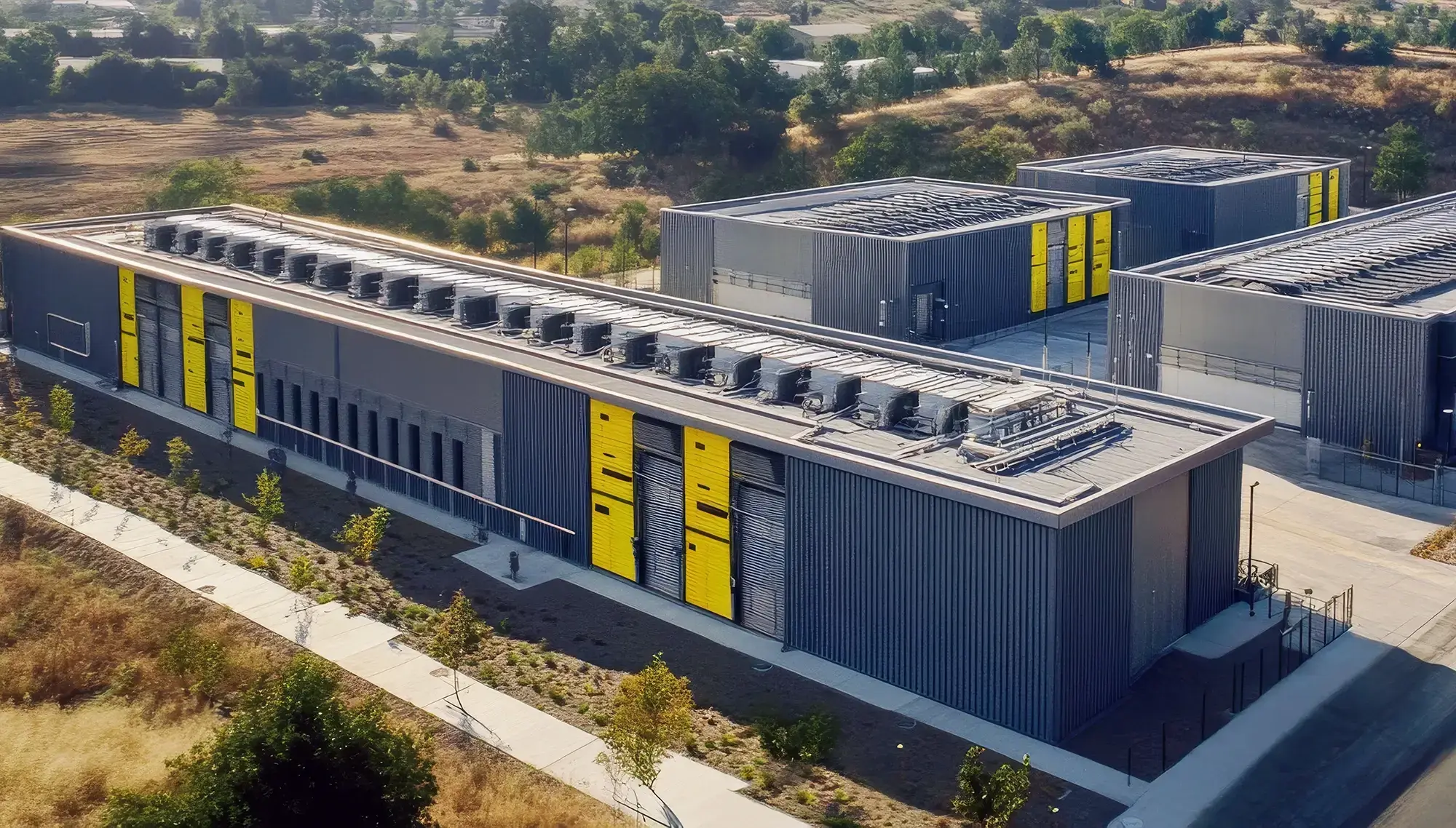
Scalable Staffing Solutions for Data Center Construction in Emerging Markets
Learn more (opens in new tab)Semiconductor Leader – Inventory & Platform Support for Data Center Expansion
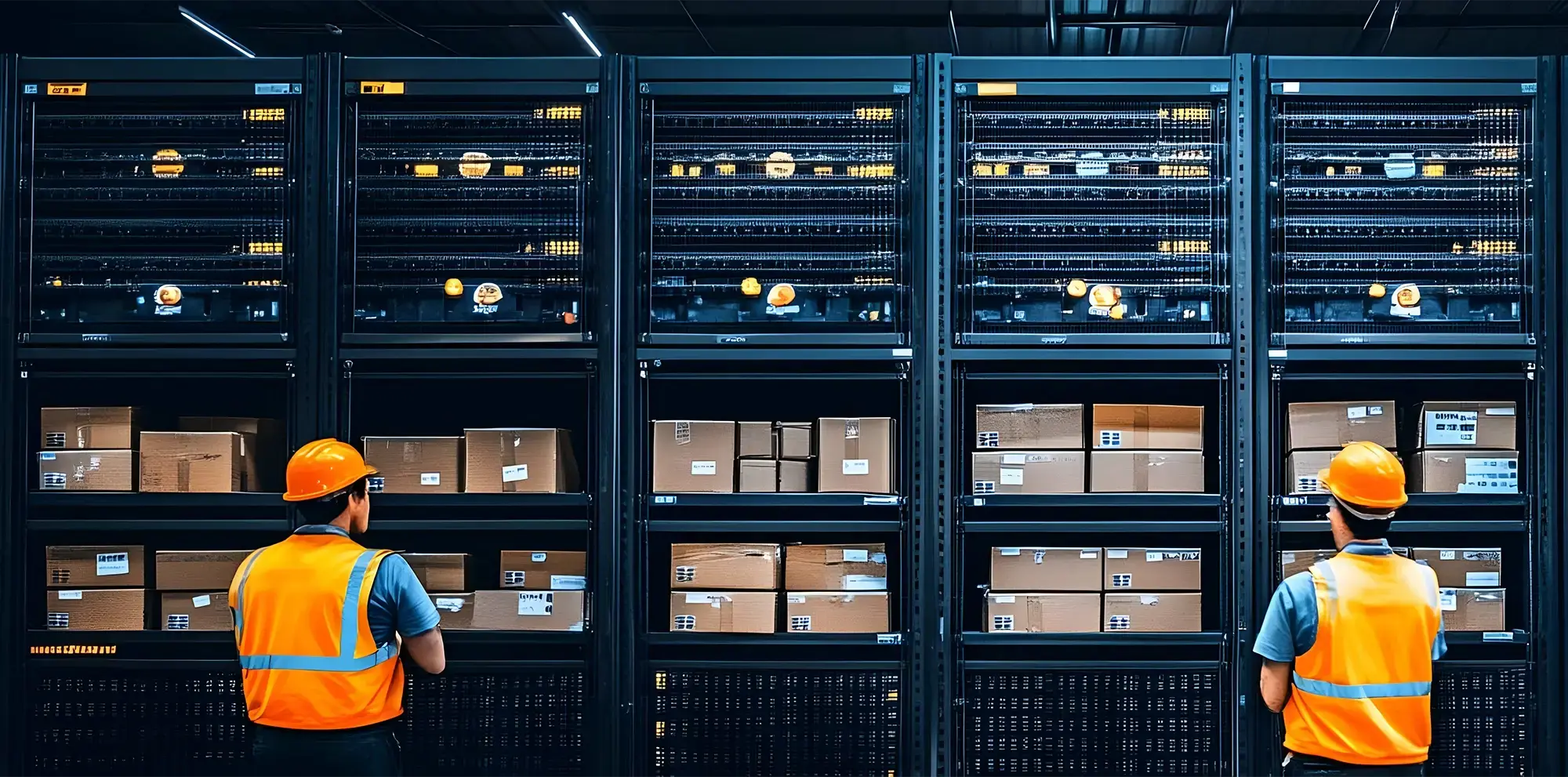
Learn more (opens in new tab)

Scaling Workforce Operations for a High Performance AI Hardware Manufacturer
Learn more (opens in new tab)

Global Industrial OEM, Specialized Staffing Across Product Lifecycle
Learn more (opens in new tab)

Supporting Mission-Critical Cooling Systems Across the U.S.
Learn more (opens in new tab)Frequently asked questions.
What is an AI readiness assessment, and what does it cover?
An AI readiness assessment is a structured review of whether an organization can actually deliver and run AI in production, rather than whether it wants to. It normally covers four things: the state of the data (where it lives, its quality, lineage, and whether it can be accessed at the speed a model needs); the platform and infrastructure available to train, host, and monitor models; governance, including security, privacy, model risk, and the approvals a use case would have to clear; and the operating model, meaning who owns a model once it is live and how it gets retrained. The output is a prioritized set of use cases with the specific blockers named against each, so the ones that can move now are separated from the ones that need foundations first.
What is the difference between intelligent automation and RPA?
RPA automates a task; intelligent automation automates a decision. Robotic process automation follows deterministic rules against structured inputs, it will move data between two systems reliably, and it breaks the moment the input changes shape. Intelligent automation combines that execution layer with the ability to handle unstructured input and judgement: extracting fields from a document, classifying an exception, deciding which of several paths a case should take. The practical distinction for an infrastructure operator is scope. RPA is a good fit for a stable back-office process. Where the work involves reading engineering documentation, validating circuit or billing records against messy source data, or triaging alarms, rules alone will not hold, and the process needs a model in the loop.
What data foundations does an operator need before AI delivers anything?
Most AI programs stall on data rather than on models. The minimum is reliable ingestion from the operational systems that matter, a consolidated store the business agrees is the source of truth, documented lineage so an output can be traced back to its inputs, and quality remediation on the fields the use case actually depends on. In infrastructure, that last point is usually the hard one: asset registers, circuit inventories, and field records tend to be incomplete, duplicated across systems, and maintained by hand, and no model will compensate for that. The sequence that works is to fix the data behind one high-value use case and prove it, rather than attempting an full cleanup before anything ships.
What is FinOps, and when does it start to matter?
FinOps, or financial operations, is the practice of managing cloud spend as an engineering discipline rather than a finance one. The goal should be to make costs visible to the teams who generate them, attributing them to services and owners, and treating optimization as continuous work rather than an annual review. It usually becomes urgent at one of two moments: after a migration, when the bill turns out to be materially higher than the business case assumed, or when AI and GPU workloads arrive and cost per workload becomes volatile enough to matter month to month. The work itself involves right-sizing, commitment coverage, storage tiering, killing idle resources, tagging discipline, and depends far more on engineers changing behaviour than on a dashboard.
How do AI and automation engagements usually start?
Most start with a readiness assessment or a single scoped use case rather than a platform program. The assessment route suits an organization that has several candidate use cases and no agreed order; the single use case route suits one that already knows its problem and wants proof before committing further. Either way, the first engagement is deliberately small and time-boxed, and it is scoped to produce something operable rather than a recommendation document. Where the work then scales, it typically does so along one of two lines, either deeper into the same domain or wider across similar processes. That's the point at which the delivery model is usually revisited.